
Dry Needling for Pelvic Health & Pain Relief
Target tension. Reduce pain. Restore function.
Are tight muscles, chronic pain, or pelvic discomfort holding you back?
Dry needling at Marrón Pelvic Health goes beyond temporary fixes — it gets to the root of muscular dysfunction so your body can heal and move comfortably again.
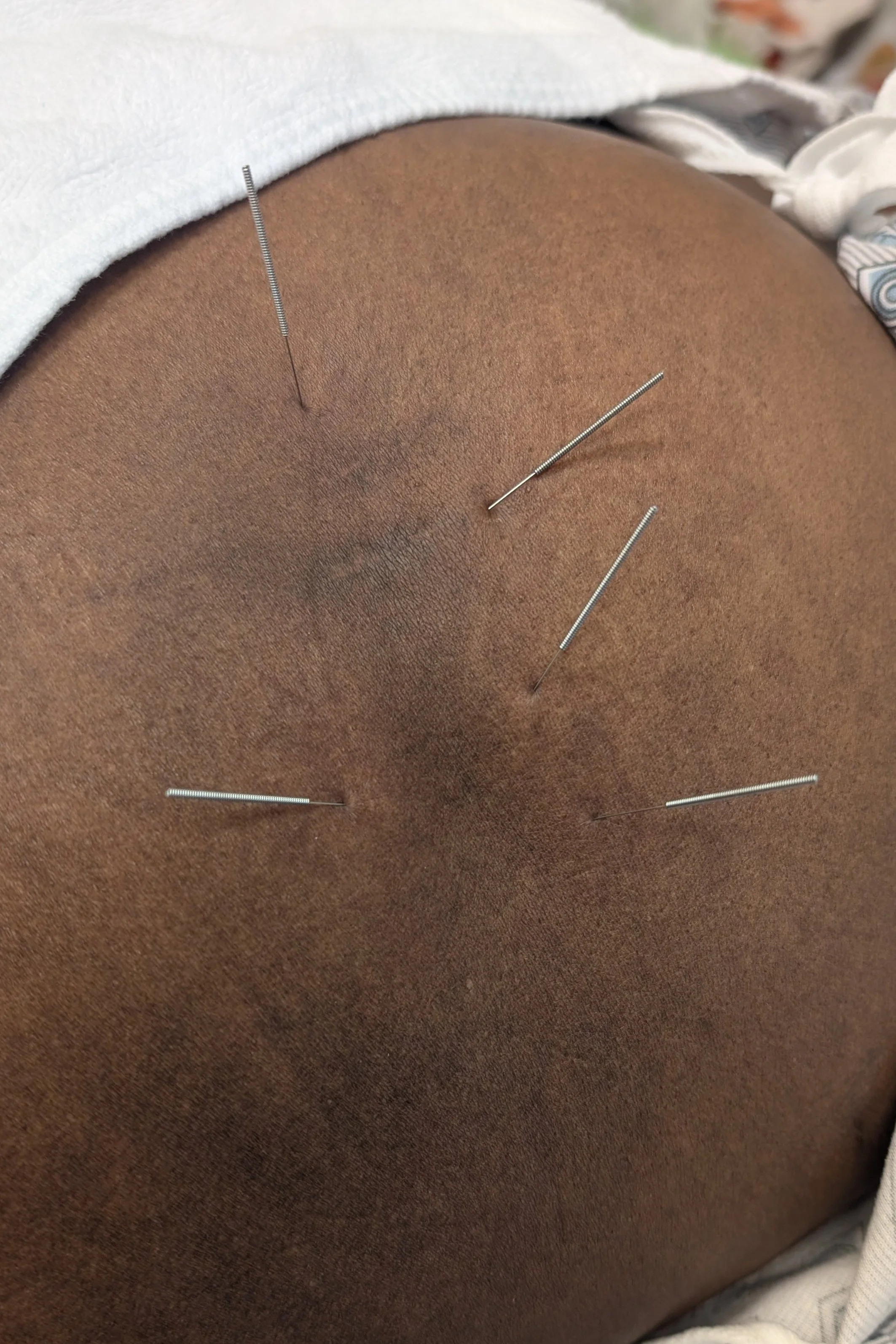
This is a science-based therapeutic technique grounded in musculoskeletal and neural science. Dry Needling directly:
Releases tight muscle trigger points
Reduces pain signals to the brain
Improves circulation and tissue healing
Restores muscle function & movement
What is Dry Needling?
Dry needling uses very thin, sterile needles to precisely target tight muscle bands and trigger points — the common source of pain, tension, and limited movement.
By releasing these deep muscular knot points, dry needling helps your body relax, heal, and function better.
Why It Works

Conditions Treated with Dry Needling
1. Chronic Pain
Conditions like fibromyalgia or arthritis can see reduced pain levels through muscle relaxation.
2. Muscle Tension and Strain
Ideal for alleviating tension in tight muscles, often caused by overuse or stress.
3. Sports Injuries
Effective for treating common sports-related issues such as tendonitis, ligament sprains, and muscle tears.
4. Trigger Points
Specifically targets myofascial trigger points, helping to relieve localized pain and discomfort.
5. Headaches and Migraines
Can reduce the frequency and intensity of tension-type headaches and migraines.
6. Post-Surgical Recovery
Aids in healing and reduces muscle tightness after surgery, promoting better movement.
7. Neck and Back Pain
Often used to treat chronic neck and back pain, helping to improve flexibility and function.
8. Temporomandibular Joint (TMJ) Disorders
May alleviate pain and discomfort in the jaw area.
Pelvic Health Benefits You’ll Notice
Dry needling can be a game-changer when paired with skilled pelvic health care. It may help with:
Pelvic pain or tightness
Painful intercourse or dyspareunia
Urinary urgency, frequency, or incontinence
Scar tissue discomfort (e.g., C-section, abdominal)
Lower back, hip, or deep ab muscle tension
Improved pelvic floor coordination and function